Winter is such a magical season, right? It has crisp air, blankets, and festive vibes. But while
you are wrapping yourself in warm clothes and having a hot chai, your pet will also
experience some changes that you may notice a bit late. Did you know that one of the major
areas that gets affected is your pet’s skin and coat? If not, this is true. This chilly season
brings with it dry air, temperature swings, and environmental stress that will impact your
furry friend’s skin health and coat condition.
So, let us explore how cold weather affects your pet’s skin and coat. This will help you keep
your furry family members comfortable and healthy all winter season.
Why Does Cold Weather Affect Your Pet’s Skin and Coat?
You might think that a fur coat is enough to keep your pet comfortable. And to some extent it
helps. Winter brings low humidity, cold winds, and indoor heating. These all will dry out your
pet’s skin. Here is what happens to your pet in winter.
1) Dry Air Means Dry Skin
The amount of moisture in the air decreases as the temperature drops. Dry air can pull
moisture from your pet’s skin, leaving it flaky, tight, or itchy. Your pet needs moisture. And
without enough moisture, the skin loses its natural protective oil. Which may affect their coat
and appear dull.
2) Natural Oils Get Stripped Away
Did you know that your pet’s skin produces oil? Yes it does, and helps to keep the coat shiny
and protect against irritation. But to be frank, in winter, these oils get cut off. When this
protective layer is reduced, skin becomes more vulnerable to irritation and dryness.
3) Temperature Changes Stress the Skin
Your pet’s skin can be affected by constantly moving from a warm room to cold air. This
constant change can affect the skin’s ability to maintain its balance, leading to redness,
cracking, or flaky patches.
Common Skin and Coat Problems in Winter
To be frank, it is normal to see some changes in your pet’s skin and fur during winter. But
you should definitely know what to look for. And, here are the most common signs of
winter-related skin issues.
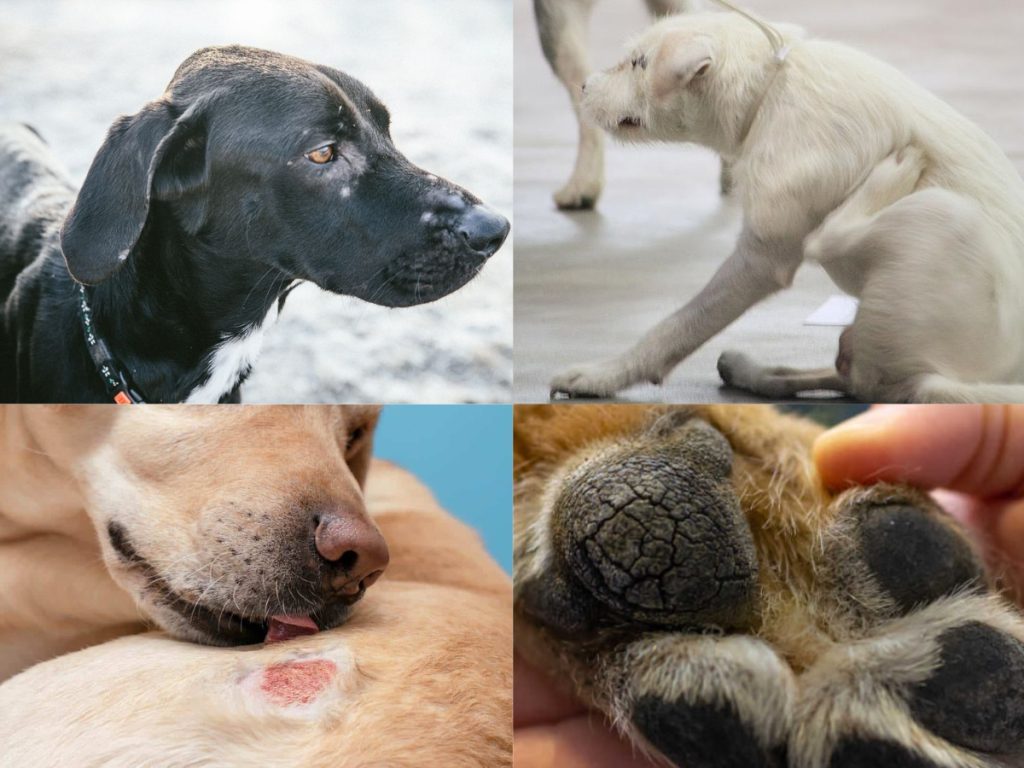
1) Dry, Flaky Skin – You may see small white flakes on your pet’s fur just similar to the
dandruff. This is a clear sign that their skin is too dry.
2) Itching or Excessive Scratching – Pets with dry skin will scratch more than usual. They
may chew or lick at certain spots. Especially where the skin is dry or irritated.
3) Dull or Brittle Coat – If your pet’s fur looks dull, rough, or coarse, then it can be a sign of
dryness or lack of essential oils.
4) Redness or Irritated Areas – Just remember that dry and cracked skin can become red and
sensitive. The common areas that will get affected are like tummy, paw pads, ears, or belly.
5) Cracked Paw Pads and Nose – Cold ground, ice, and de-icing salts can cause paw pads and
noses to become dry, cracked, or sore. This makes walking on cold surfaces uncomfortable
for your pet.
Why You Shouldn’t Ignore Skin Issues in Winter?
Initially, dry skin may seem like a minor discomfort, but it can lead to –
● Infections due to constant scratching
● Hot spots (painful, inflamed areas caused by licking)
● Bacterial or fungal issues
● Loss of fur or thinning coat
It is especially important to take these precautions for pets that have sensitive skin, animals
that are prone to allergies, or animals that have preexisting skin conditions.
How to Care for Your Pet’s Skin and Coat in Winter?
And do you know what the good news is? With a little extra attention, you can protect your
pet’s skin and coat from harsh cold weather. Here are simple and effective ways to care for them.
1) Brush Regularly – Brushing will help spread the natural oils throughout the coat, stimulate
circulation, remove loose air, and prevent mats. This will help maintain healthy skin. You just
have to brush dogs and cats a few times a week during the winter.
2) Don’t Over-Bathe – The skin of your pet can be stripped of its natural oils when you give it
too many baths, especially when the shampoo is harsh. Use a moisturizing lime sulfur pet shampoo
that is specially for pets.
3) Add Moisture to the Air – Indoor heaters will make the air super dry. You can help your
pet’s skin stay hydrated by using a humidifier in areas where they spend most of their time.
4) Support with Good Nutrition – Make sure that your pet’s diet has the right balance of
nutrients; especially omega-3 and omega-6 fatty acids. This will help support skin health
and coat shine.
5) Protect Their Paws – Cold surfaces, ice, snow, and de-icing chemicals can harm paw pads.
Also, consider using paw balms, protective booties, or wiping paws after walks. Using these
will remove irritants.
6) Dress Them Warmly (If it Helps) – Not all pets like wearing winter clothing. As some may
cause discomfort or matting in long-haired breeds. But for tiny breeds, a warm coat or
sweater can help protect them against the cold air.
Special Notes for Cats:
If dryness, redness, heavy flaking, sores, or bald patches persist despite home care, it’s time
to consult your veterinarian. They can determine if there’s an underlying issue like allergies,
infections, or parasites that need treatment.
A Quick Winter Checklist for Your Pet
● Keep up regular brushing
● Use humidifier at home
● Limit harsh or frequent baths
● Provide balanced nutrition + hydration
● Protect paws after outdoor walks
● Monitor for signs of irritation or discomfort
Conclusion:
Just remember that winter can be tough on your pet’s skin and coat. Cold temperatures, dry
air, and indoor heating can cut off the natural moisture. This leads to dryness, itching, flaky
skin, and a dull coat. While these changes may seem small, do not ignore them. As it can
make your pet uncomfortable and can lead to bigger skin problems.
The good news is that with some steps you can help maintain your pet’s skin health. Paying
attention to early signs and making small seasonal adjustments makes sure that your fur
friend stays comfortable and healthy.
At Healthy Paw Life, we believe that every pet deserves comfort all year-round. Visit our
website to explore our vet-approved products that will support their skin and coat health.