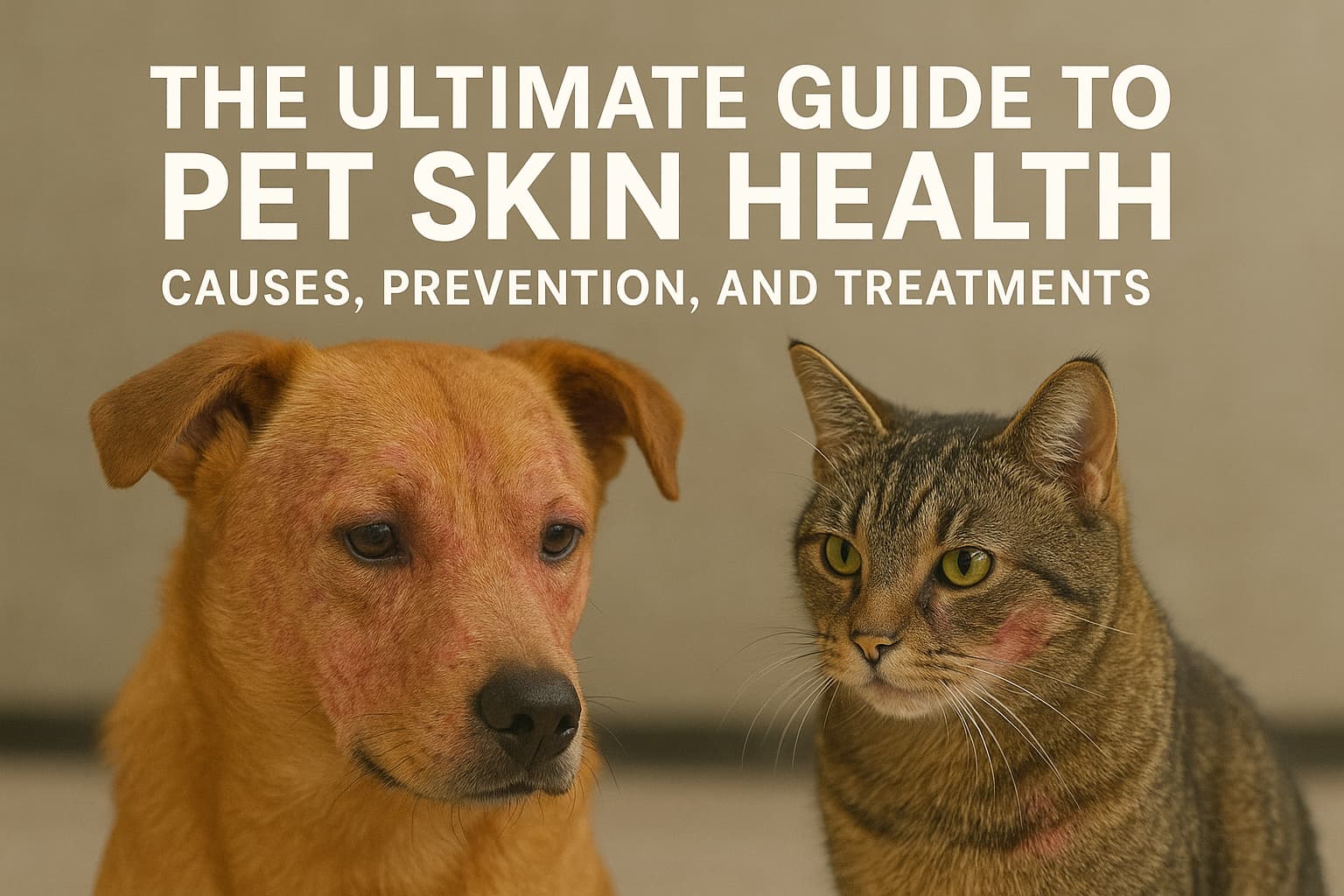
We all want our pet to be happy, right? And, if they have healthy skin they are more playful. So, in this guide, we will explore about your pet’s skin health. From what causes problems, how you can prevent them, and what to do if issues show up.
So, let’s get started on understanding pet skin health!
Why Does Skin Health Matters?

Pet skin is the first and most important thing we need to take care of. It helps in protection, temperature regulation, and comfort. When the skin is healthy –
- It keeps infections out.
- Helps regulate moisture and temperature.
- Let your pet move, play, and be themselves without itching or discomfort.
And, on the other side when skin is not healthy, you will see your pet scratching, redness, bald patches, flaky fur, or serious skin conditions. According to our sources about skin structure, “When the skin’s protective barrier is damaged… disease may result.”
So definitely it is worth taking care of your pet.
Common Causes of Skin Problems in Pets

Here, we will break down the main skin problems, so you can recognize them early and take relevant action against them.
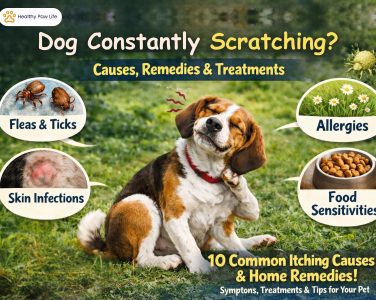
1) Parasites: Fleas, Ticks, Mites
Fleas and ticks irritate the skin, cause itching, and can also trigger allergic reactions. That is why preventing fleas and ticks regularly is very important. On the other hand mites which can cause conditions like mage can also damage the skin barrier and lead to scratching and hair loss.
2) Environmental Allergies
There are certain products which can irritate a pet’s skin like dust mites, pollen, mould, and cleaning products. These can trigger your pet allergies which will lead to itchy skin, excessive licking, and inflammation. If your pet seems itching then it can have any of these skin problems.
3) Food Allergies & Dietary Imbalances
To be frank, just like humans, pets can also have food sensitivities that show up as skin problems. Skin problems like itching, redness, and hair loss. Adding to this, if your pet diet lacks nutrients, then also skin suffers.
4) Bacterial, Fungal. & Yeast Infections
When the skin barrier is broken while scratching, parasites, or allergies, then infections can occur. Like redness, scabs, smells, or unusual discharge may signal these infections.
5) Dry Skin, Moisture Build-up & Seasonal Effects
Some pets have skin that is too dry and get skin problems due to excessive moisture. Proper water intake will help you keep the skin moisturised, reducing the chances of itching and infections.
6) Underlying Health / Hormonal Issues
Sometimes skin issues are the symptom of many health problems like thyroid issues, hormonal imbalances, and autoimmune conditions. Just keep in mind that if skin problems don’t improve, it can indicate deeper causes.
Signs Your Pet’s Skin Needs Attention
We know that early detection helps a lot. So here is what you should watch out for –
- Constant scratching, biting, or licking of the skin
- Redness, inflammation, scabs or crusts
- Bald patches or hair loss in odd spots
- Odour, discharge, smell that’s off
- Dry, flaky, dull coat; excess shedding
- Restlessness, discomfort, change in behaviour
So, if you see any of these, then it is the time to take care of your pet skin and consult your vet.
Prevention: Building a Skin-Friendly Routine

The good news is that you can do a lot of things to keep your pet’s skin smooth and comfortable. Here is step-by-step routine you can do –
1) Healthy Diet
- a) Make sure that your pet has a balanced diet. The diet includes quality protein, fatty acids (omega-3, omega-6), vitamins and minerals. As, good nutrition will support their skin from inside.
- b) If you suspect a food allergy, contact your vet.
- c) Keep your pet hydrated as water helps in skin hydration.
2) Regular Grooming
- a) Brush your pet regularly as it will remove dead skin cells, distribute natural oils, and keep the pet’s coat healthy.
- b) Use pet-specific gentle shampoo and do not use human shampoo.
- c) After bath make sure the skin is fully dried. As, if there is moisture in folds, ears or paws it can lead to fungal growth.
3) Parasite Prevention
- a) Always use vet-recommended flea/tick protection. Especially in warm or humid places parasites are a biggest risk.
- b) Clean your pet’s beds, bedding, carpets, and shared spaces regularly.
4) Environmental & Allergy Management
- a) If allergies are an issue then vacuum frequently, wash pet bedding, and reduce dust/pollen exposure.
- b) Use hypoallergenic grooming products if your pet is sensitive.
5) Skin Checks & Routine Care
- a) Always have a habit of weekly skin checks.
- b) Keep an eye on seasonal shifts. For example – monsoon or humid periods when fungal infections spike.
- c) Lastly, maintain these routines. So that it helps skin stay in balance.
Treatments: What to Do When Skin Buddies Face Trouble?
1) When to See the Vet – If scratching/licking is severe, hair loss is patchy, you see discharge or smell, or suspect any parasites/infections, then you should visit a vet.
2) Addressing Parasites – Your vet will prescribe appropriate treatments for mange/fleas/ticks mites.
3) Allergies & Sensitivities –
- If your pet has a food allergy, then your vet can suggest hypoallergenic diet or elimination trial.
- If your pet gets an environmental allergy then your vet may recommend antihistamines or medications.
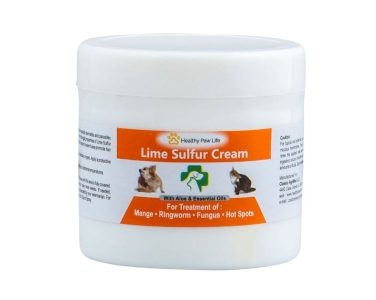
For these problems you can use shampoos, pet care sprays, and allergy-friendly grooming products.
4) Infections (Bacterial, Fungal) – Infection signs are redness, scabs, smell, thickened skin, and hair loss. And its treatment mau include medicated shampoos, topical ointments, systemic antibiotics/antifungals. So, always follow vet instructions.
5) Supporting Skin Barrier & Repair – When skin is damaged you will –
- Use gentle, skin-barrier supporting shampoos/conditioners.
- Provide nutrition rich in fatty acids + skin-friendly nutrients.
- Reduce the scratch-lick cycle.
- Dry the areas like skin folds, paws, ears well.
- And lastly, keep your pet hydrated.
Wrapping Up: Your Pet’s Skin is Worth the Care
Taking care of your pet’s skin isn’t a one-time job—it’s an ongoing relationship. The better you look after the skin, the fewer problems your pet will face, the more comfortable they’ll be, and the happier they’ll make you.
Here’s a small recap –
- Skin health matters—protects, supports, comforts.
- Many common causes of skin trouble are preventable.
- A preventative routine of diet + grooming + environment + checks goes a long way.
- When issues do pop up, early treatment matters.
- Your vet is your partner in skin-care for your pet.
So, start today! Spend 5 minutes this week inspecting your pet’s coat and skin. Brush them. Check for any signs (scratch marks, hair loss, redness). Book a vet check if anything seems off. And ensure their next bath uses a gentle, pet-safe shampoo.